
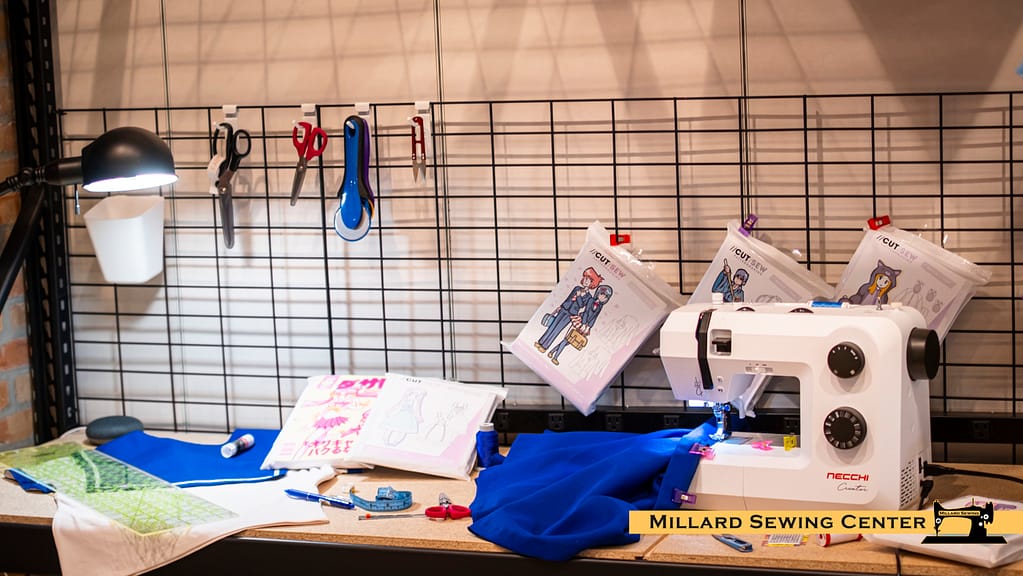
What to plan and prepare for when considering creating a costume.
You want to start cosplaying, and that’s a big deal! Welcome into the world of creativity and nerding out about your favorite characters! It’s a long journey from deciding to cosplay to having your first sewn cosplay ready to wear. Having experience from a few previous projects, picking the right cosplay, and getting a plan ready before jumping straight into sewing will make the difference between stressing and enjoying the process.
Assess Your Skills
Before you buy anything or select a character, reflect on your sewing knowledge and experience. Some of the questions to ask yourself include:
- Have I used a sewing machine before?
- Have I completed small projects first?
- Can I follow a pattern?
- Can I install a zipper?
- Can I sew with elastic?
- Do I know how to measure and cut properly?
- Can I create fitted garments?
If you haven’t sewed much before, try starting out with small projects with patterns. They build confidence for beginners, and teach essential skills such as measuring, cutting, using a machine, and more.
If you have a few projects under your belt, and a good understanding of your sewing capabilities and your sewing machine, start looking at potential cosplays.
Character Research
For your first attempt at sewing a cosplay, keep it simple. Focus on simple character designs with patterns and reference images that are easily accessible. The key is to keep it basic and a character that you feel motivated to make. Dive deeper into what you should look for in your first cosplay characters here:
Once you’ve chosen your character, try to find multiple reference images online. There are multiple ways you can gather reference images.
- Official character sheets
- Official character art
- In game 3-D models
- Figurine designs
When gathering references, it’s key to find multiple angles, high definition images, and accurate images of the character. If you cannot find reference images of certain angles or parts, try selecting a more popular character, or if you’re comfortable, you can get creative and decide how to fill in the missing pieces yourself.
Decide the Project Demands
Using your references, review the character you’ve chosen. Do they appear to have any buttons on their clothing? Hemmed cuffs? Elastic waistbands? Make sure you have a plan for anything you haven’t done before. Consult patterns, our resource hub, or teachers for guidance or advice.
Along with the essential supplies we’ll detail in a minute, think about if your costume may require certain supplies. Fasteners are common necessities. Those items include:
- Zippers
- Buttons
- Hooks & Eyes
- Buckles
- Snaps
We have those available both in store and online, and you can browse our multiple color and size options here.
If you are trying cosplay for the first time and plan to wear it to an event, give yourself a realistic timeline. Con crunching is not fun even for the experienced cosplayer. An article of clothing that may take one person 3 hours can take a beginner much, much longer. If you don’t have the time to create a full cosplay, instead try sharpening your alteration skills, and put aside your full cosplay for a different time.
Essential Supplies
Knowing what tools to have for your cosplay projects will make sewing them much easier. Look through these for possible additions and upgrades from your basic supplies. Keep fabric scissors, sewing gauges, an iron, and more at hand to make your process smoother and your result better.
1. Sewing Machine
While hand sewing has its place, sewing an entire cosplay by hand can quickly become impractical. A needle and thread may be usable for doing some altering, but learning to create a costume becomes less of a headache with a good machine. Make sure you know your way around your machine, and that the machine is in working condition with apparel stitches.
2. Cutting Tools
Having good quality scissors will make your sewing process much easier. Use thread snips to cut tails of thread after running it under your sewing machine. Good fabric shears will glide through your fabric, cutting smoothly and accurately. If you prefer rotary cutters, make sure to purchase multiple blades and a self-healing cutting mat.
3. Measuring Tools
You can’t expect a costume to fit if you can’t measure anything. Make sure you have a large array of ways to measure. Measuring tapes are perfect for measuring your body, or how long you want to make sleeves, skirts, and pants. Use flat rulers and a cutting mat to cut fabric and patterns while it’s laying flat. Sewing gauges are a small, sometimes forgotten part of sewing that makes a big difference when wanting consistent hems and seams.
4. Ironing & Pressing
Proper ironing and pressing may seem unimportant, but they make a large difference. By pressing your fabrics, your measuring and cutting will be more accurate. There won’t be small folds or wrinkles that you find when lining up your final pieces. If you find yourself a bit impatient to press your seams and iron your fabric, try looking into a smaller iron that heats faster and can press specific seams.
Getting Help
Sewing is a skill that takes time to develop, and it’s easy to overreach and struggle with something you aren’t ready for. Never be ashamed to look for additional resources to help you, especially in the beginning. That isn’t to say that experienced cosplayers aren’t reaching out to patterns, guides, and teachers for something they haven’t tried before. There are multiple resources to consider when needing assistance on your costume.
1. Beginner Sewing & Apparel Guides
We have other pages that can guide you from the start of sewing. Whether it’s understanding what feet to use for certain stitches, tips for reading and working with patterns, and more, we have a variety of other guides for you to look at.
2. Patterns
Sewing patterns are there to help, and used by people of many skill levels. They’ll provide a pattern to cut out, and steps to follow along in order to make garment and cosplay sewing easier.
3. Classes
Don’t know where to start, or stuck somewhere in your cosplay? We have our very own cosplay consultant and staff with years of sewing experience to help you! We can help you one-on-one through our sewing classes, cosplay consultations, and cosplay classes.
There’s no reason to be afraid to ask for help. Struggling on your own will lead to frustration, and less progress if you’re doing certain things the hard way.
Words of Advice
Cosplay sewing is a skill that takes time to develop. Some key things to remember while sewing your first cosplay include:
1. Patience
Measuring, cutting, and sewing properly takes time. Understanding that it’s a long process is important in order to not speed through a project and make simple mistakes because of it.
2. Take a Break
If you find yourself getting easily frustrated, take a step back. Take a snack break, figure out what the issue is, and get the proper resources or help you need.
3. Mistakes are Lessons
Every sewist makes mistakes. Even the most experienced sewist still uses a seam ripper from time to time. Use your errors to reflect on what skills you can improve on during this project or future projects
4. Congratulate Yourself
Every stitch is something that you’ve made yourself. Even if your first few projects aren’t perfect, it still means a lot to create something out of nothing. Set small goals along the way, and pat yourself on the back for every win, no matter how small.
Related Resources
Helpful pages to keep learning.