
Choosing your first sewing machine does not have to feel overwhelming. Learn what features actually matter, common beginner shopping mistakes, and how to find a machine that fits your sewing goals.
Choosing Your First Sewing Machine Should Feel Exciting, Not Overwhelming
Buying your first sewing machine can feel confusing because every machine seems to promise something different. Some have hundreds of stitches, some focus on basic sewing, some are built for quilting, and some are designed for embroidery or specialty projects.
The good news is that a beginner does not need the biggest or most complicated machine. The best first sewing machine is one that feels comfortable to use, is dependable, and fits the kind of sewing you actually want to do.
What Matters Most In A Beginner Sewing Machine?
Beginners often compare sewing machines by price, stitch count, or how many features are listed on the box. Those things can matter, but they are not usually the most important parts of learning successfully.
Every sewist has different preferences, but these features can be the deciding factors in having a stress-free experience learning to sew.
- Easy threading
- Dependable straight stitch and zigzag stitch
- Good lighting over the sewing area
- Clear controls that are not confusing
- Comfortable speed control
- A free arm for sleeves, cuffs, and small projects
- Basic utility stitches you will actually use
- Good support, setup help, and service options
Helpful Features to Look For
For a first sewing machine, focus on these features that make the machine easier to understand and more enjoyable to use.
- Automatic needle threader: Makes threading the needle easier, especially if your eyesight or patience is limited.
- Drop-in bobbin: Allows many beginners to see the bobbin more easily and check thread supply.
- Adjustable speed control: Helps you slow the machine down while learning.
- Needle up/down: Useful for pivoting corners, quilting, and accurate sewing.
- Free arm: Helps with sleeves, cuffs, pant hems, and smaller round areas.
- One-step buttonhole: Makes buttonholes easier and more consistent.
Do You Need An Expensive Sewing Machine?
No, not always. A beginner does not need the most expensive sewing machine in the store. The better question is whether the machine fits your goals, feels comfortable, and gives you enough quality and support to learn without constant frustration.
If your goal is simple repairs, a basic machine may be enough. If you want to quilt, sew garments, or work with thicker materials, it may be worth investing in a machine with more strength, space, and control.
What Type Of Sewing Do You Want To Learn?
Your first sewing machine should match the kind of sewing you want to do. You do not have to know your exact future plans, but having a general direction helps narrow the choices.
Basic Repairs And Alterations
If you mostly want to hem pants, repair seams, replace elastic, or do simple household sewing, you may not need a large machine with advanced features. A dependable basic machine with good stitch quality may be enough.
Quilting
If you want to quilt, consider features like a larger sewing area, good lighting, needle up/down, speed control, and the ability to use quilting feet and accessories. Quilting can be done on many machines, but extra space and control make the process more comfortable.
Garment Sewing
If you want to sew clothing, look for a machine that handles different fabrics well and offers useful stitches like straight stitch, zigzag, stretch stitches, buttonholes, and adjustable stitch settings.
Cosplay And Costume Sewing
Cosplay and costume sewing can involve many different materials, including cotton, stretch fabrics, vinyl, foam, trims, and heavier layers. A beginner interested in costumes may benefit from a machine with good power, adjustable settings, and room to grow.
Embroidery
If embroidery is your main goal, you may want to look at embroidery machines or combination sewing and embroidery machines. These machines are a different category from basic sewing machines, so it is worth comparing options carefully before buying.
Related Resources
Helpful pages to keep learning.
Mechanical Vs. Computerized Sewing Machines
One of the first choices beginners often face is whether to buy a mechanical sewing machine or a computerized sewing machine. Neither option is automatically better for everyone. The right choice depends on your sewing goals, comfort level, and the type of experience you want while learning.
Mechanical Sewing Machines
Mechanical sewing machines use knobs, dials, and levers to control stitch selection, stitch length, and stitch width. Many sewists enjoy the direct, hands-on feel of mechanical controls.
These machines can be a great choice for:
- Basic sewing and repairs
- Simple crafting projects
- Sewists who prefer manual controls
- People who enjoy adjusting settings themselves
Mechanical machines are often appreciated for their straightforward operation, though beginners still need to learn how stitch settings work together.
Computerized Sewing Machines
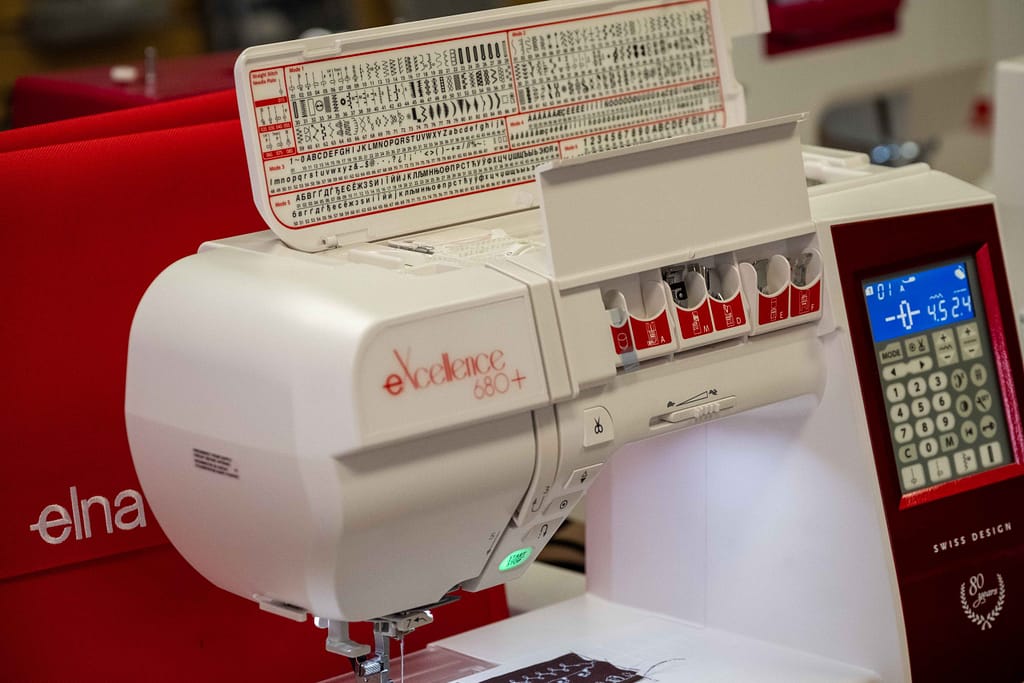
Computerized sewing machines use buttons, screens, or digital controls to select stitches and settings. Many modern computerized machines automatically adjust stitch width and stitch length for the selected stitch pattern, which can simplify the learning process for beginners.
Depending on the model, computerized machines may also include:
- Speed control
- Needle up/down functions
- Recommended presser foot guidance
- Automatic tension adjustments
- Easier decorative stitch selection
- Built-in convenience features
For many new sewists, especially those comfortable with modern technology, computerized machines can actually feel easier to learn because the machine helps manage many of the setup decisions automatically.
Neither Style Is Automatically The Beginner Choice
Both mechanical and computerized sewing machines can be excellent beginner options. The best machine is usually the one that feels comfortable to use, matches your sewing goals, and encourages you to keep sewing.
A good sewing machine should help you learn confidently — not make the process feel frustrating or overwhelming.
Common Beginner Sewing Machine Shopping Mistakes
Most beginner buying mistakes come from focusing on the wrong details or choosing a machine before thinking about how it will actually be used.
Choosing Only By Price
Budget matters, but the cheapest machine is not always the easiest machine to learn on. A slightly better machine may offer smoother stitching, better lighting, easier threading, and more dependable performance.
Choosing Only By Stitch Count
Many beginners are drawn to machines with a large number of stitches. In reality, most new sewists use straight stitch, zigzag stitch, buttonhole stitches, and a few utility stitches far more often than decorative stitches.
Ignoring Comfort And Controls
Two machines can look similar on paper but feel very different when you sew on them. Button placement, noise, speed control, lighting, and how the fabric feeds can all affect your experience.
Buying More Machine Than You Are Ready To Use
Advanced features can be extremely helpful when they match your sewing goals. The key is finding a machine that feels approachable today while still giving you room to grow.
For example, someone focused on garment sewing or cosplay may quickly benefit from features like:
- Stretch stitches
- Adjustable speed control
- Better fabric feeding systems
- Easier threading
- A one-step buttonhole
Those features can make learning easier and reduce frustration, especially on modern fabrics.
At the same time, most beginners do not need the most advanced machine in the store to start sewing successfully. A good beginner machine should feel comfortable to learn on while still supporting the projects you are excited to make.
Why A Guided Machine Buying Experience Helps
Choosing a sewing machine is easier when you can see how the machine works, compare options, and ask questions before deciding. A guided buying experience can help you understand threading, stitch quality, controls, accessories, and which features actually matter for your goals.
At Millard Sewing Center, customers can compare machines in person or through virtual walkthroughs. That means you can see how a machine threads, how it sounds, how it handles fabric, and how easy the controls are before choosing the right fit.
This support is especially helpful for beginners because your first machine should help you feel confident enough to keep sewing.
Where To Go Next
Recommended Next Steps
Keep moving with the next guide, class, or supply category.