
Learn tips for staying motivated and organized while diving into the world of cosplay.
To help you make your first few cosplays a success, we’ve gathered some helpful tips for beginners to focus on. These tips are chosen to keep you on the correct path, and keep you motivated while facing the challenges of creating cosplays.
1. Choose Characters Wisely
For your first attempt at sewing a cosplay, keep it simple. Choose characters you can confidently make with your current skill set. Focus on simple character designs, with patterns and references easily accessible, that you feel motivated to make. Dive deeper into what you should look for in your first cosplay characters here:
2. Use References
Having quality reference images for your first cosplay is a must when focusing on accuracy. If you can’t find good references just by searching the character, try searching ‘3D model’ or ‘Reference sheet’ in addition to the character name. Printing off any references you’ve found makes it much easier than having to pull out a device whenever you need to double check anything.
3. Start Simple
You don’t have to sew everything from scratch for your very first cosplay! If you aren’t ready to tackle an entire cosplay at the moment, but still want to build up your experience, consider thrifting or modifying existing clothing items. Consider characters from shows like Spy Family with costumes that can easily be achieved by thrifting, altering, and adding embellishments.
4. Try Cotton
Sewing a cosplay will be much easier if you stick to mostly woven cotton. There are multiple reasons why woven cotton is one of the easiest fabrics for beginners to learn with. It’s cheap, giving room for making mistakes without breaking your budget. Woven cotton also holds its shape, and doesn’t shift or stretch when working with it. Cotton also has the largest array of pattern choices, making finding patterns similar to a character much easier. For beginners it’s important to avoid stretchy, thin, or difficult fabrics on your first try sewing garments.
5. Use Patterns
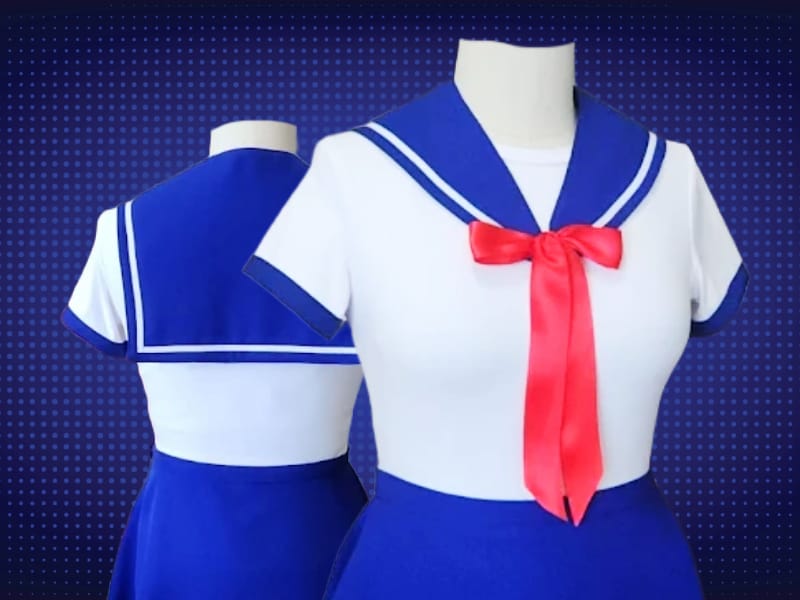
Sewing and garment construction can be difficult, especially before you understand how much proper measuring, cutting, and fabric selection can affect the end result of your garment. Patterns guide you with cutting, construction, and finishing the garment, and are available for characters like Sailor Moon, Rem and Ram, and many more. If you decide you want to venture into altering patterns, opt for creating a mockup out of muslin with your changes. It will help you see the results of your changes without investing your fabric and detail work into a piece that doesn’t fit.
6. Keep Notes
If you’re purchasing specific thread colors, patterns, or making any alterations, keeping a sketchbook or notebook for your project is a good idea. This way you can mark what color your thread is in case you run out. Marking measurements or alterations on patterns can help keep consistency if you plan to recreate the item or share the pattern and your alterations with a friend.
7. Quality of Life Supplies
Some supplies are going to help tremendously when starting to sew. Having a variety of marking tools will make lining up or sorting pattern pieces much simpler. Sewing gauges and proper measuring tools will help keep your seams and measurements consistent while constructing your garment. Seam rippers will help when you inevitably make mistakes.
8. Know When to Upgrade
Struggling with tools that aren’t up to the standard you need can easily tank motivation. A simple upgrade to consider includes trading cheap or old thread for thread made specifically for apparel. If you find yourself wanting to do certain stitches or techniques often, try browsing our feet options for compatible feet for your sewing machine. As your skills grow, you may eventually find that your machine is limiting techniques you want to try. That’s when it may be worth considering an uprgade.
Related Resources
Helpful pages to keep learning.
9. Press Your Seams
Though ironing and pressing may take time away from seeing the finished garment sooner, it’s key to keeping your seams straight and clean. If you sew a long, straight seam and don’t iron, the seam can look curved or bent. By pressing, you can flatten your fabric and pieces to ensure they properly align, instead of realizing they don’t later due to a fold.
10. Take Your Time
Measuring, cutting, and sewing properly takes time. Understanding that creating a cosplay is a long process is important. Avoid speeding through a project, which can lead to unnecessary mistakes. If you find yourself getting easily frustrated, take a break, and come back later.
11. Perfection Isn’t Instant
Even if your first few projects aren’t perfect, it still means a lot to create something out of nothing. Focus on learning a few new skills with each project, rather than expecting your first cosplay to compare to competition level cosplays. Set achievable goals along the way, and pat yourself on the back for every win, no matter how small.
12. Use Resources
Never be ashamed to look for additional resources to help you, especially in the beginning. There are many resources available, including patterns, classes, and websites. We offer cosplay consultations and classes in store, but if you are at home, we also have online guides at our resource center.
13. Prioritize Comfort
While accuracy is fun, your first cosplay should also be comfortable and practical to wear, especially if you plan to attend an event. Avoid trying to recreate every detail to a tee, or selecting fabric you aren’t ready to work with. A comfortable cosplay means you’ll enjoy your experience much more if you’re not scratching, overheating, or feeling embarrassed. Once again, simplicity is key.
There are so many more tips available all over our website and in store with our cosplay consultant and teachers. By keeping these simple tips in mind- from choosing a character you can succeed with to having the right materials, taking your time, and using resources- you’ll build your confidence with each stitch you make.
Related Resources
Helpful pages to keep learning.