
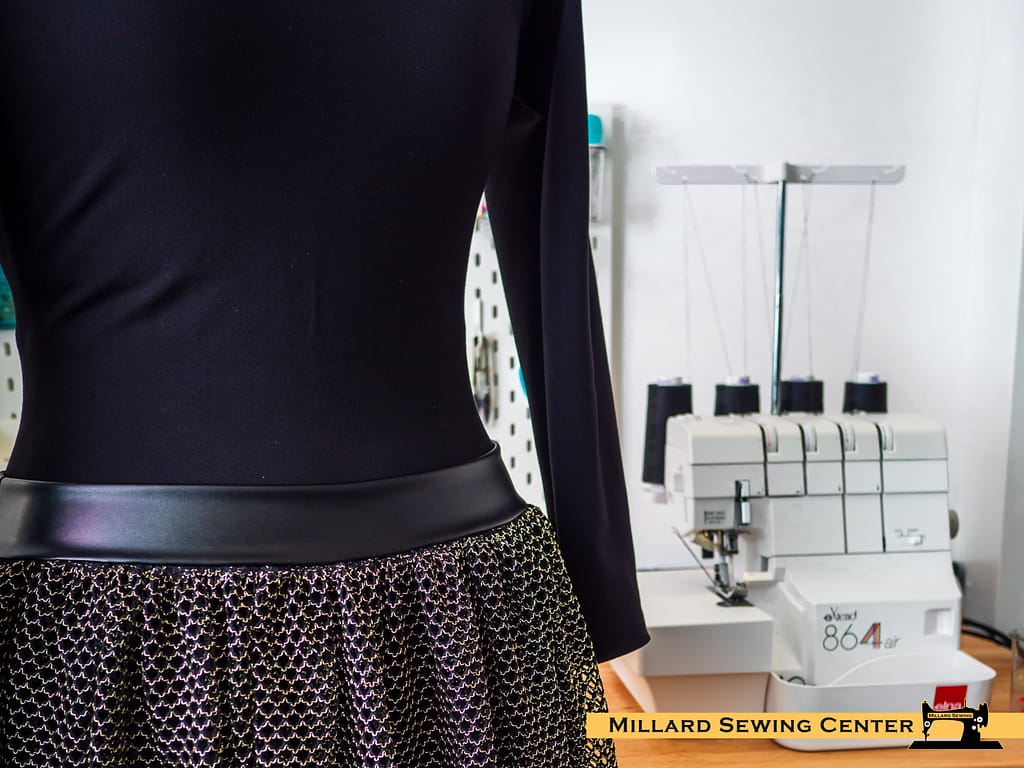
Learn the basics of garment and apparel sewing, beginner-friendly fabrics, and the machines that make clothing projects easier and more enjoyable.
Apparel Sewing Does Not Need To Feel Intimidating
Garment sewing opens the door to creativity, customization, and learning practical skills that can last for years. Many beginners start sewing clothing because they want a better fit, more creative freedom, or simply the satisfaction of making, altering, or upcycling something themselves.
The good news is that you do not need advanced tailoring skills or expensive equipment to begin successfully. Many apparel sewing projects are approachable for beginners with the right guidance and tools.
Beginner-Friendly Apparel Sewing Projects
Many new sewists build confidence by starting with smaller or simpler projects before attempting fitted jackets or formal clothing.
Popular beginner apparel projects include:
- Pajama pants
- Lounge shorts
- Aprons
- Tote bags
- Simple skirts
- Elastic waist garments
- Basic tops
- Costume accessories
These projects help beginners learn sewing fundamentals like seams, hems, pressing, and fabric handling without becoming overwhelming.
What Makes Fabric Easier To Sew?
Fabric choice often matters more than the sewing machine itself when learning apparel sewing.
Beginner-friendly fabrics are usually:
- Stable woven cotton fabrics
- Medium-weight fabrics
- Fabrics with minimal stretch
- Smooth materials that feed evenly
- Easy-to-press fabrics
More advanced fabrics like slippery satins, stretchy knits, velvet, or thin lightweight materials can be rewarding later but may create frustration early on.
Stretch Fabrics & Knit Sewing
Many clothing projects involve knit or stretchy fabrics. These materials behave differently than woven cotton and often require slightly different techniques.
Stretch fabrics can:
- Shift more while sewing
- Curl at the edges
- Stretch unevenly
- Require special needles
- Benefit from adjustable machine speed control
Some sewing machines handle stretchy fabrics more comfortably than others. Features like adjustable presser foot pressure, stretch stitches, and speed control can make learning easier.
Mechanical Vs Computerized Sewing Machines For Apparel Sewing
Both mechanical and computerized sewing machines can work very well for garment and apparel sewing. The better choice usually depends on how you prefer to learn and what types of projects you want to sew.
Mechanical sewing machines are often appreciated for:
- Direct manual controls
- Hands-on adjustments
- Straightforward operation
- Durability
Computerized sewing machines may offer:
- Easy stitch selection
- Adjustable speed control
- Needle up/down functions
- Recommended presser foot guidance
- Built-in stitch settings
Many beginners actually find computerized machines easier to learn because the machine helps manage stitch settings automatically. Instead of manually adjusting multiple dials for stitch selection, stitch width, and stitch length, beginners can often simply choose the stitch they want and begin sewing.
Modern computerized machines are designed to simplify many sewing tasks behind the scenes while still allowing manual adjustments when desired.
Mechanical machines still remain popular with sewists who prefer direct control and hands-on adjustments, especially for simpler everyday sewing.
The best choice depends more on comfort level, sewing goals, and long-term interests than simply choosing the machine with the most features.
Sergers, Coverstitch Machines & Apparel Sewing
Many apparel sewists eventually become interested in sergers and coverstitch machines. These machines are designed specifically to handle stretch fabrics, seam finishing, and professional-looking garment construction more efficiently than a standard sewing machine alone.
A serger can help with:
- Stretch fabrics
- Knit garments
- Faster seam finishing
- Cleaner interior seams
- Rolled hems
- Professional edge finishing
Coverstitch machines are commonly used for:
- T-shirt hems
- Stretch garment hems
- Athletic wear
- Decorative top stitching
- Professional knit finishing
Many ready-to-wear clothing hems use coverstitch construction because it stretches well while maintaining a clean finished appearance.
While beginners do not need a serger or coverstitch machine immediately to start sewing clothing successfully, many apparel sewists eventually find these machines make sewing knit fabrics easier, faster, and more enjoyable.
A regular sewing machine can still complete many beginner apparel projects very well, especially while learning foundational sewing skills.
Common Beginner Apparel Sewing Mistakes
Many beginner frustrations come from trying overly difficult projects too early or skipping preparation steps.
Common beginner mistakes include:
- Choosing difficult fabrics first
- Skipping pressing during construction
- Sewing too quickly
- Ignoring fabric grain direction
- Starting with advanced fitted garments
- Using the wrong needle type
- Avoiding test stitching on scrap fabric
Every sewist improves with practice. Small mistakes are part of learning and become easier to avoid with experience.
Building Confidence Sewing Clothing
Apparel sewing becomes much more enjoyable once basic techniques start feeling familiar. Most sewists improve rapidly after completing a few successful projects.
The goal is not perfection immediately. The goal is building skills, confidence, and enjoying the creative process.
Over time many beginners expand into:
- Alterations
- Quilting
- Cosplay
- Costume sewing
- Home décor
- Advanced garment construction
The right machine and a comfortable learning pace make that journey much easier.
Related Resources
Helpful pages to keep learning.
Where To Go Next
Recommended Next Steps