
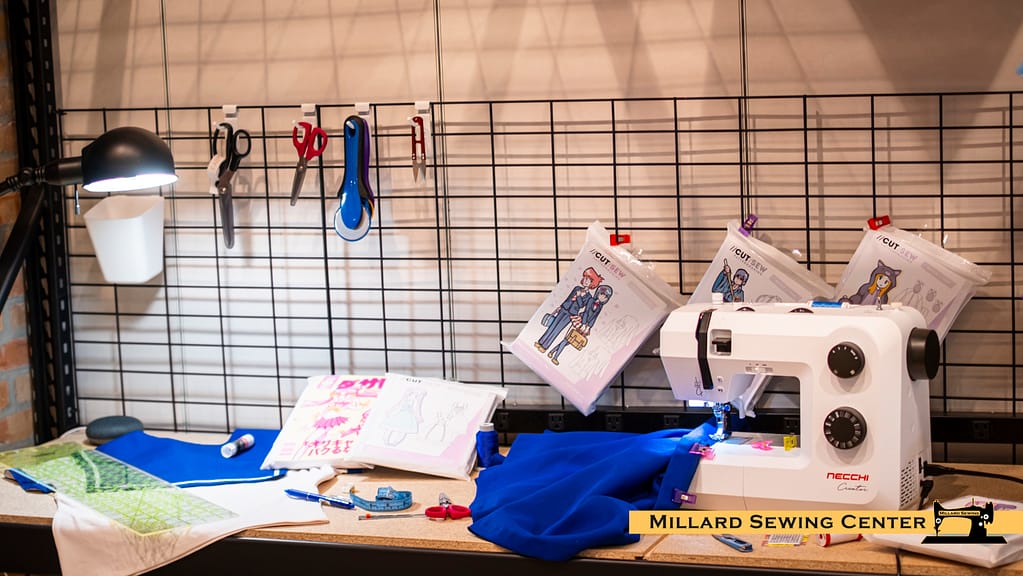
Learn beginner-friendly cosplay and costume sewing basics, including fabrics, machine features, and tools that help creative projects feel less overwhelming.
Cosplay & Costume Sewing Combines Creativity & Problem Solving
Cosplay and costume sewing blend creativity, craftsmanship, and hands-on learning. Many makers begin with simple costume pieces before gradually building more advanced projects and skills.
The good news is that you do not need professional-level sewing experience to get started. Many successful costume projects begin with basic sewing skills and beginner-friendly tools.
Beginner-Friendly Cosplay Projects
Many first-time costume makers start with projects that allow room for creativity without requiring advanced tailoring.
Popular beginner cosplay projects include:
- Capes and cloaks
- Simple skirts
- Tunics
- Costume accessories
- Bags and pouches
- Aprons
- Basic armor pieces
- Character-inspired clothing
These projects help beginners build confidence while learning sewing fundamentals and material handling.
Materials Commonly Used In Costume Sewing
Costume sewing often combines multiple materials in one project.
Common cosplay materials include:
- Cotton fabrics
- Stretch fabrics
- Faux leather
- Vinyl
- EVA foam
- Interfacing
- Fur and fleece
- Decorative trims
Different materials behave differently while sewing. Some slide easily while others become thick or stiff when layered.
Learning how materials feed through the machine is often part of the process.
What Features Help With Cosplay Sewing?
Cosplay and costume projects sometimes involve thick seams, layered fabrics, or detailed stitching.
Helpful machine features may include:
- Adjustable speed control
- Strong motor performance
- Adjustable presser foot pressure
- Needle up/down control
- Extension tables
- Free arm capability
- Easy threading systems
- Stretch stitches
A beginner does not need every advanced feature immediately, but certain upgrades can make creative projects easier and more enjoyable.
Sewing Thick Fabrics & Layered Materials
Costume sewing often involves materials thicker than standard apparel fabrics.
Examples include:
- Multiple fabric layers
- Foam-backed fabrics
- Vinyl
- Heavy interfacing
- Faux leather
- Webbing and straps
Slowing down, using the correct needle, and allowing the machine to feed naturally can help prevent frustration.
Some sewists eventually upgrade to machines with more sewing space or stronger feeding systems as projects become more advanced.
Foam, Vinyl & Specialty Materials
Many costume projects include non-traditional sewing materials.
Foam and vinyl can sometimes:
- Stick while feeding
- Shift unevenly
- Create bulk at seams
- Require specialty presser feet
- Need slower sewing speeds
Beginners should expect some experimentation while learning how different materials behave.
That experimentation is part of what many makers enjoy most about cosplay sewing.
Mechanical Vs Computerized Machines For Cosplay
One of the first choices beginners often face is whether to buy a mechanical sewing machine or a computerized sewing machine. Neither option is automatically better for everyone. The right choice depends on your sewing goals, comfort level, and the type of experience you want while learning. Mechanical sewing machines use knobs, dials, and levers to control stitch selection, stitch length, and stitch width. Many sewists enjoy the direct, hands-on feel of mechanical controls. Computerized sewing machines use buttons, screens, or digital controls to select stitches and settings. Many modern computerized machines automatically adjust stitch width and stitch length for the selected stitch pattern, which can simplify the learning process for beginners.
Many cosplay sewists eventually discover that features like stronger feeding systems, larger sewing space, and specialty presser feet can make difficult materials much easier to manage.
Common Beginner Cosplay Sewing Mistakes
Many beginner frustrations come from attempting highly advanced costumes too early.
Common beginner mistakes include:
- Starting with difficult materials immediately
- Ignoring fabric testing
- Sewing too quickly
- Skipping pressing and preparation
- Choosing uncomfortable costumes
- Underestimating project time
- Trying to learn every skill at once
Most experienced costume makers improve gradually over multiple projects.
Every project teaches something useful.
Creativity Grows With Experience
Costume sewing often leads people deeper into sewing, crafting, and creative design.
Many cosplay makers eventually expand into:
- Garment sewing
- Embroidery
- Quilting
- Foam crafting
- Pattern modification
- Fabric painting
- Advanced machine embroidery
The goal is not perfection immediately. The goal is building skills while enjoying the creative process and bringing ideas to life.
Related Resources
Helpful pages to keep learning.
Where To Go Next
Recommended Next Steps