
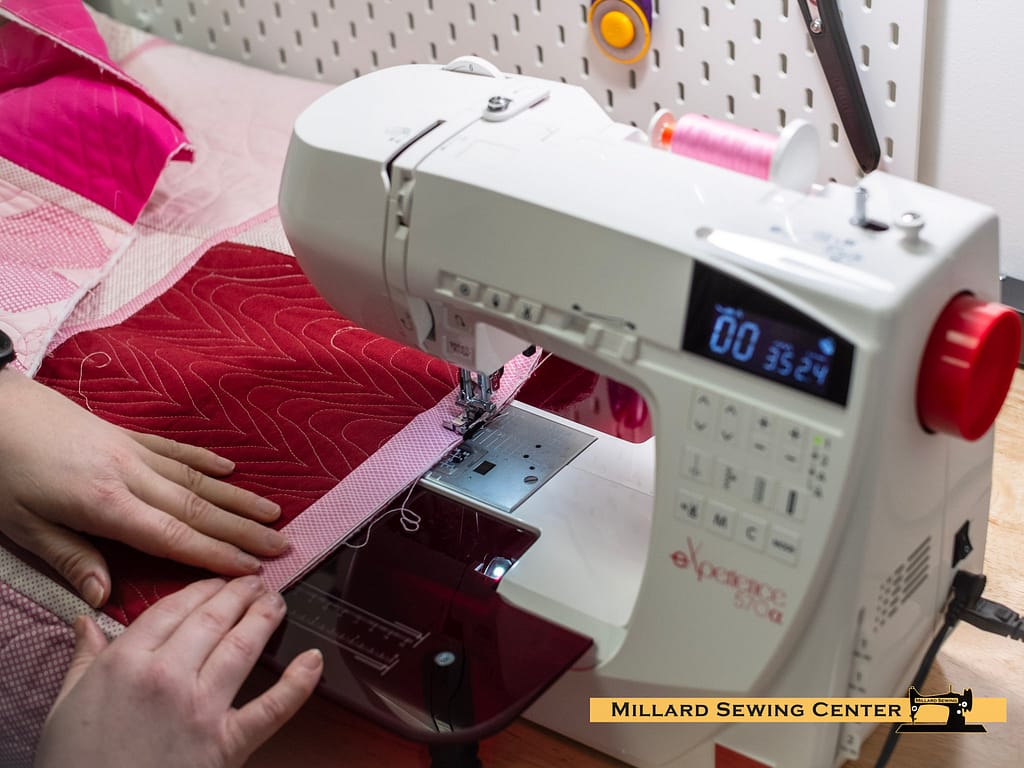
Learning to sew does not have to feel overwhelming. This beginner sewing guide walks through the essential skills, tools, machine basics, and common mistakes every new sewist should know before starting their first project.
Learning To Sew Does Not Have To Feel Overwhelming
Starting sewing can feel intimidating at first, especially when you see large sewing rooms, expensive machines, or long supply lists online. The good news is that you do not need to master everything immediately. Most experienced sewists started with simple projects, basic tools, and a lot of trial and error.
The goal at the beginning is not perfection. The goal is learning how your sewing machine works, understanding the basics, and building confidence.
Learn The Basic Parts Of Your Sewing Machine
You do not need to understand every button and setting on your machine before you start sewing, but learning a few basic machine parts will make sewing feel much less intimidating.
Presser Foot
The presser foot holds your fabric down while the machine stitches. Always lower the presser foot before sewing. If it is raised, the thread may tangle underneath the fabric.
Feed Dogs
The feed dogs are the small metal teeth under the presser foot. They move the fabric through the machine. Let them do the work instead of pulling the fabric from behind. The feed dogs are the small metal teeth under the presser foot. They move the fabric through the machine while sewing. Let the feed dogs move the fabric naturally instead of pulling it yourself.
Bobbin
The bobbin holds the lower thread. Most beginner stitching problems come from incorrect threading, a poorly wound bobbin, or a bobbin inserted the wrong direction.
Needle
The needle should match the fabric and thread you are using. A dull, bent, or incorrect needle can cause skipped stitches, broken thread, puckering, or damage to fabric.
Stitch Selector
The stitch selector lets you choose straight stitch, zigzag stitch, decorative stitches, or utility stitches depending on your machine.
Stitch Length
Stitch length controls how long each stitch is. A medium stitch length is a good starting point for most basic sewing.
Stitch Width
Stitch width controls either how wide a stitch is, or the side by side position of a stitch. A medium setting on a straight stitch will place the needle in the center.
Reverse Lever Or Reverse Button
Reverse stitching locks your stitches at the beginning and end of a seam so they do not come undone during use.
Tension
Tension controls how tightly the thread forms stitches. Beginners often blame tension immediately when problems appear, but incorrect threading or damaged needles are usually more common causes.
Need Help Choosing A Sewing Machine?
If you are still shopping for your first machine, try not to choose based only on price or the number of stitches. The best beginner sewing machine is one that is easy to thread, dependable, comfortable to use, and strong enough for the type of sewing you want to do.
Your goals help determine which machine features matter most. Millard Sewing Center can help you compare beginner-friendly machines, understand the differences between models, and learn through classes.
You Do Not Need Expensive Equipment To Start Sewing
One of the biggest beginner mistakes is thinking you need every sewing tool before you can start. You do not. A good basic setup is enough to learn the fundamentals, complete simple projects, and figure out what kind of sewing you enjoy most.
To begin, focus on tools that help you sew safely, measure accurately, and avoid frustration.
- A sewing machine in good working condition
- Good quality all-purpose thread
- Universal sewing machine needles
- Fabric scissors used only for fabric
- Pins or sewing clips
- A seam ripper
- Measuring tape or ruler
- An iron and ironing surface
Your First Sewing Skills
Learning to sew is easier when you build skills in the right order. Start with simple control and confidence before jumping into complicated projects.
1. Thread The Machine Correctly
Threading is one of the first skills to learn. Follow the threading path on your machine carefully and make sure the presser foot is raised while threading the upper thread.
2. Wind And Insert The Bobbin
A smooth, evenly wound bobbin helps prevent thread nests and uneven stitches. Make sure the bobbin is inserted in the correct direction for your machine.
3. Sew Straight Lines
Practice on scrap fabric. Use the seam guide on your machine. Try to guide the fabric gently instead of pushing or pulling it.
4. Backstitch At The Beginning And End
Backstitching locks the thread so your seam does not come undone. Sew a few stitches forward, a few stitches backward, then continue sewing forward.
5. Pivot Corners
To turn a corner, stop with the needle down in the fabric, lift the presser foot, rotate the fabric, lower the presser foot, and keep sewing.
6. Practice Curves
Curves take patience. Sew slowly and gently turn the fabric a little at a time. Do not force the fabric through the machine.
Easy First Sewing Projects
Your first projects should help you practice basic skills without becoming overwhelming. Choose projects with mostly straight seams and forgiving fabric.
- Pillowcase
- Simple tote bag
- Drawstring bag
- Table runner
- Simple apron
- Bowl cozy
Projects like these help you practice measuring, cutting, pinning, sewing straight lines, backstitching, and pressing
The Most Important Beginner Skill Is Consistency
Sewing is a skill that improves through repetition. Even experienced sewists still use seam rippers, troubleshoot tension problems, and learn new techniques. The key is continuing to practice and finishing projects instead of expecting perfection immediately.
Start simple, ask questions when needed, and focus on building confidence one project at a time.
Common Beginner Sewing Mistakes
Every sewist makes mistakes. Most beginner problems are normal and fixable. The key is learning what usually causes them.
Using Cheap Or Old Thread
Old, weak, or poor-quality thread can break, shred, or cause tension problems. Good thread makes sewing much easier.
Using The Wrong Needle
A universal needle works for many beginner projects, but not every fabric. Stretch fabrics, denim, embroidery, and delicate fabrics may need different needles.
Forgetting To Lower The Presser Foot
This is one of the most common beginner mistakes. If your thread bunches underneath the fabric right away, check that the presser foot is lowered.
Related Resources
Helpful pages to keep learning.
Starting With Difficult Fabric
Stretchy, slippery, thick, or fuzzy fabrics are harder to control. Beginners usually have better results starting with stable woven cotton fabrics.
Pulling The Fabric While Sewing
Many beginners try to force fabric through the machine. This can bend needles, cause uneven stitching, or damage timing. Guide the fabric gently and allow the feed dogs to move it naturally.
Skipping Pressing
Pressing with an iron is part of sewing. It helps seams lay flat, improves accuracy, and gives finished projects a cleaner appearance.
Take A Beginner Sewing Class
You can learn a lot on your own, but a beginner sewing class can shorten the learning curve. Classes are especially helpful if you feel nervous using your machine, struggle with threading, or want someone to check your setup in person.
A good beginner sewing class should help you understand your machine, practice basic stitches, learn safe tool use, and complete a simple project you can feel proud of.
Related Resources
Helpful pages to keep learning.