
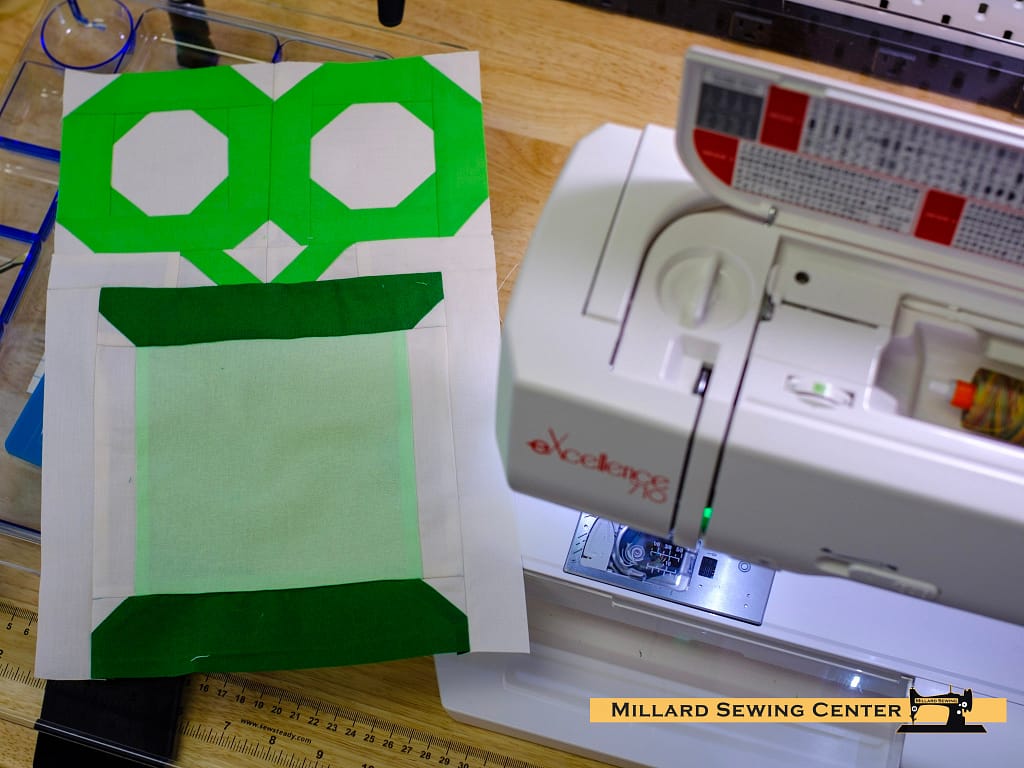
Quilting does not have to feel intimidating. Learn beginner-friendly tools, simple first projects, quilting basics, and helpful resources designed to make your first quilt enjoyable instead of overwhelming.
What Makes Quilting Different From Regular Sewing?
Quilting uses many of the same sewing skills found in garment sewing or home décor projects, but accuracy becomes more important because many pieces must fit together cleanly.
Quilting also introduces layered construction. Most quilts include:
- A quilt top
- Batting in the middle
- A backing fabric layer
These layers are sewn together and quilted to create the finished project.
Piecing Vs. Quilting
Many people who say they “quilt” are primarily piecing quilt tops rather than doing the final quilting themselves, and that is completely normal.
Piecing is the process of:
- Cutting fabric
- Sewing quilt blocks together
- Following the quilt pattern
- Building the finished quilt top
Quilting is the process of:
- Combining the quilt top, batting, and backing
- Stitching the layers together
- Creating the finished texture and design
Many beginners can successfully complete entire quilting projects on a standard sewing machine.
Small and medium quilting projects like:
- Quilt block hot pads
- Mug rugs
- Table runners
- Baby quilts
- Wall hangings
- Lap quilts
- Quilt-as-you-go projects
These can often be pieced and quilted successfully on a home sewing machine using techniques like:
- Stitch in the ditch techniques
- Straight-line quilting using a walking foot or guide bar.
- Free-motion quilting
- Guided-motion quilting (ruler work)
As projects become larger or more detailed, many quilters eventually explore additional quilting methods and equipment for more workspace, speed, or decorative possibilities.
These may include:
- Quilt as you go methods:
- Free-motion quilting
- Guided-motion quilting (ruler work)
- Longarm quilting systems
- Embroidery-based “quilting in the hoop” techniques
At Millard Sewing Center, quilters can choose the approach that fits their goals best:
- Piece quilts at home on a standard sewing machine
- Use our longarm quilting services
- Rent time on a longarm machine and quilt projects yourself
- Explore dedicated quilting machines as your skills and interests grow
There is no single “correct” way to quilt. Many experienced quilters mix these approaches depending on the project, available time, and the style of quilting they enjoy most.
Choosing Your First Quilting Sewing Machine
Most beginners do not need the biggest or most expensive sewing machine to start quilting. A good basic setup is enough to learn the fundamentals, complete simple projects, and figure out what kind of sewing you enjoy most.
A good beginner quilting machine should offer:
- Consistent straight stitching
- Enough workspace for small quilts
- Easy threading
- Reliable feeding
- Comfortable speed control
Features that sound impressive online are not always the most important features for beginners learning to quilt. To begin, focus on tools that help you sew safely, measure accurately, and avoid frustration.
Beginner Quilting Supplies
You do not need every quilting tool immediately. Start with the basics that make cutting, sewing, and pressing easier.
- A sewing machine in good working condition
- 1/4″ Foot or Seam Guide
- Rotary cutter
- Self-healing cutting mat
- Quilting ruler
- 100% cotton quilting fabric
- Good quality quilting thread
- Universal sewing machine needles
- Iron and ironing surface
- Pins or sewing clips
Many beginners find that accurate cutting tools improve quilting results more than buying complicated sewing machines or accessories right away.
Start With Small Quilting Projects
Small projects are one of the best ways to learn quilting basics without becoming overwhelmed.
Beginner-friendly quilting projects include:
- Quilt Block Hot Pad or Mug Rugs
- Table runners
- Placemats
- Pillow covers
- Baby quilts
- Wall hangings
- Quilt-as-you-go projects
- Simple patchwork lap quilts
These projects help you practice sewing straight, cutting, piecing, pressing, quilting, and binding on a manageable scale.
Related Resources
Helpful pages to keep learning.
Free Beginner Quilt Patterns
Free quilt patterns are a great way to practice new skills while exploring different quilting styles.
Beginner patterns with larger fabric pieces and simple layouts are usually easier for first-time quilters than highly detailed patterns with tiny pieces.
Your First Quilt Does Not Need To Be Perfect
Many beginners think quilting is only for advanced sewists with expensive machines and giant sewing rooms. The truth is that quilting can start with a simple sewing machine, a small project, and a willingness to learn one step at a time.
The goal of your first quilt is not perfection. The goal is learning basic skills, building confidence, and enjoying the process.
Common Beginner Quilting Mistakes
Every quilter makes mistakes while learning. Most beginner quilting frustration comes from a few very common issues.
Using Cheap Or Old Thread
Old, weak, or poor-quality thread can break, shred, or cause tension problems. Good thread makes quilting much easier.
Skipping Pressing
Pressing seams helps quilt blocks stay accurate and lay flat. Quilting almost always looks cleaner when seams are pressed consistently throughout the project.
Inaccurate Cutting
Even small cutting mistakes can affect how quilt blocks fit together. Take your time with measuring and rotary cutting.
Choosing Stretchy Or Thin Fabric
Beginner quilters usually have better results starting with stable quilting cotton rather than stretchy, slippery, or lightweight fabrics.
Pulling The Fabric While Sewing
Forcing fabric through your machine can bend needles, cause uneven stitching, or damage timing. Guide the fabric gently and allow the feed dogs to move it naturally.
Starting Too Large
Large quilts take far more time, fabric, and patience than most beginners expect. Smaller projects help new quilters build skills faster.
Quilting Classes And Community
Quilting is easier and more enjoyable when you learn alongside other sewists. Beginner quilting classes can help you gain confidence faster and avoid frustration.
Group classes available at Millard Sewing Center are also a great way to:
- Practice new techniques
- Ask questions
- Get help troubleshooting
- Stay motivated to finish projects
- Meet other quilters
If just starting out, a one-on-one class can help you understand your machine, practice piecing, learn safe tool use, and complete a simple quilted project you can feel proud of.
Related Resources
Helpful pages to keep learning.